Business requirements
Goals, rules and critical journeys.
Verification / Validation
Every product decision should have a corresponding form of verification. The V-model shows traceability; it does not impose waterfall.

Goals, rules and critical journeys.
Does the product meet a real need?
Product behaviour as a whole.
End-to-end journeys and system risk.
Boundaries, dependencies and contracts.
How modules and services work together.
Responsibility of individual parts.
Automated controls supporting development.
Unit testing remains primarily a development responsibility. We support it through strategy, automation, integrations and product-behaviour verification.
Engagement process
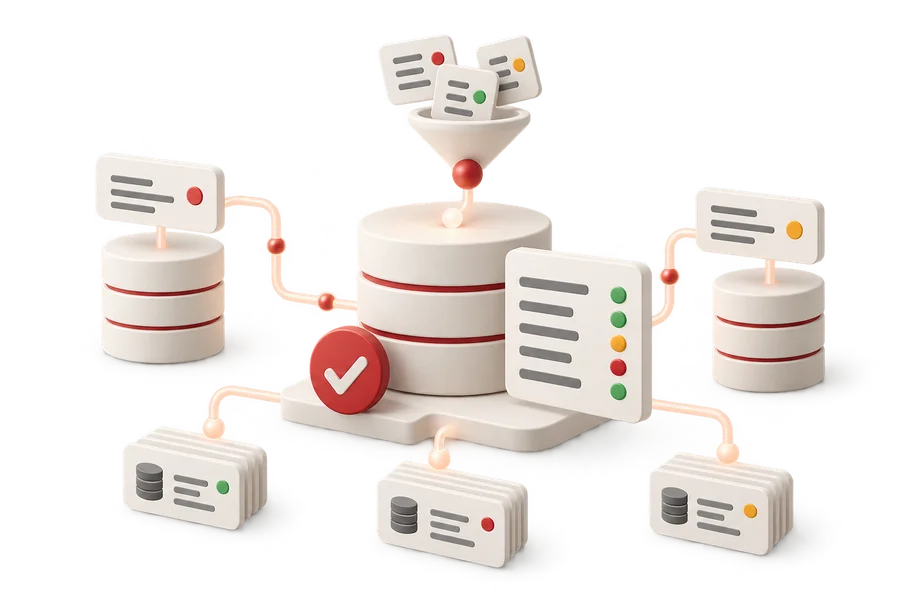
We agree accounts, roles and data needed for the selected scenarios.
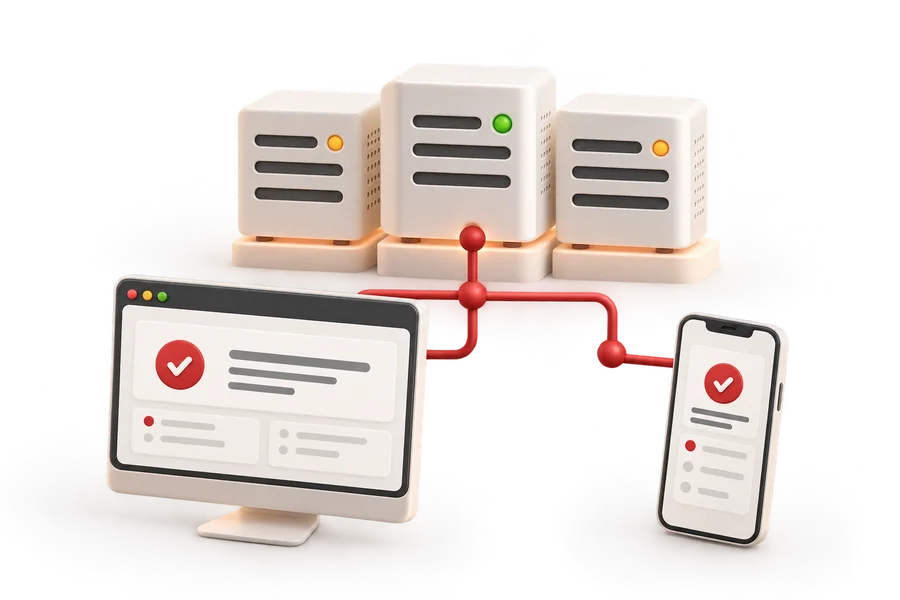
We confirm the environment, devices, browsers and required access before starting.
Product, users and risks.
Priorities, environments and output.
Evidence and blocker communication.
Impact, limitations and recommendations.
Retest, automation or the next scope.
Working rhythm
This is a working rhythm, not a rigid calendar. It adapts to sprints, releases and the team’s delivery model.
The QA Lead turns product goals, risks and available time into one agreed scope.
The team tests, documents behaviour and peer-reviews key findings.
Issues that block a decision or release are communicated immediately, not held for a report.
We organise the outcome, limitations, retests and the product’s next priority.
Working principles
We work in the client’s tools or our own.
We separate facts from recommendations.
We state scope and limitations.
We communicate blockers immediately.
Next step
You do not need a finished test scope. We will shape it after learning the context and respond within 24 hours on business days.